What should I read after house of leaves? Some books are difficult to follow. House of Leaves is difficult to escape.
Long after readers finish Mark Z. Danielewski’s labyrinthine novel, the questions remain. Was the house real? Which narrator can be trusted? Did the story change reality, or did reality change the story?
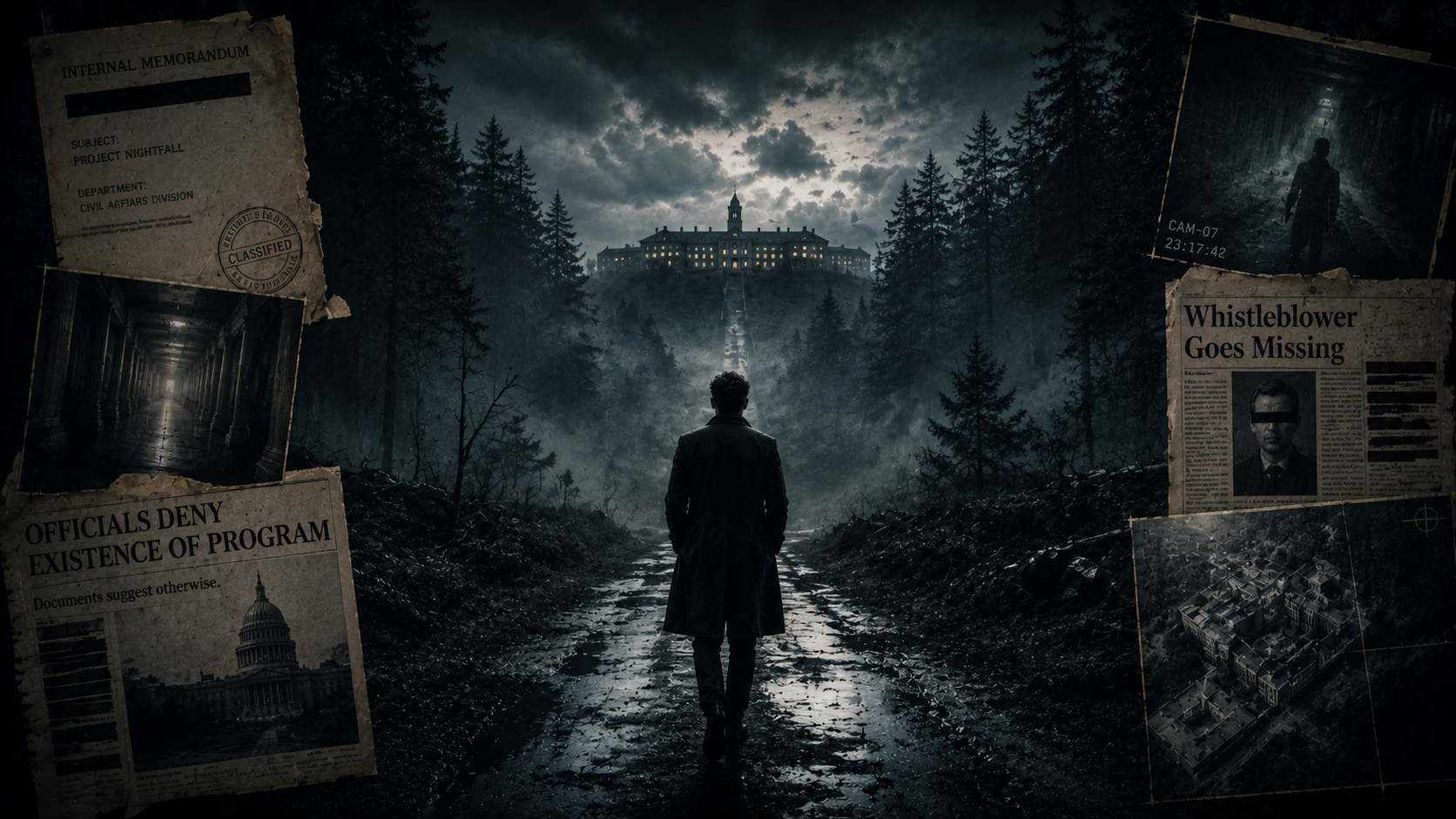
That lingering uncertainty is exactly why readers keep searching for books like House of Leaves.
The challenge is that there really isn’t another House of Leaves.
What readers are usually searching for is something deeper:
A novel that creates the same feeling.
A story that destabilizes reality, rewards close attention, and refuses to leave the reader alone.
If that’s what you’re looking for, these books are excellent places to begin.
What Should I Read After House of Leaves?
Most thrillers ask:
“What happens next?”
House of Leaves asks:
“What is happening?”
That distinction matters.
The novel creates suspense through uncertainty rather than action. Readers become investigators, attempting to determine what is real, what is imagined, and whether the difference matters.
The books below share elements of that experience.
Dark Matter by Blake Crouch
Dark Matter approaches uncertainty through science rather than architecture.
Yet both novels force readers to question reality itself.
As the story unfolds, readers discover that the world may be far larger and stranger than they imagined.
Like House of Leaves, Dark Matter creates a growing sense that certainty is impossible.
Continue with:
Foundation by Isaac Asimov
At first glance, Foundation seems completely different.
Yet both novels share an important characteristic.
The real mystery isn’t a character.
It’s the system.
House of Leaves explores impossible spaces.
Foundation explores invisible forces shaping entire civilizations.
Both reward readers who enjoy uncovering hidden structures beneath the surface.
See:
Trust by Hernan Diaz
House of Leaves manipulates reality.
Trust manipulates perspective.
Both novels force readers to question assumptions they previously accepted as true.
Every new layer changes the meaning of what came before.
Readers who enjoy intellectual puzzles often find themselves drawn to both works.
Continue with:
Silo by Hugh Howey
Silo creates uncertainty through restricted information.
Characters believe they understand their world.
Readers believe they understand the world.
Eventually both discover they are wrong.
The result is a psychological experience built around revelation, hidden systems, and controlled narratives.
See:
Authors Like Hugh Howey
The Future by Naomi Alderman
The Future asks a different but equally unsettling question:
What happens when powerful systems outlive ordinary human control?
Readers who enjoyed House of Leaves because it challenged assumptions may find similar satisfaction here.
Continue with:
Neuromancer by William Gibson
Neuromancer helped define modern cyberpunk.
Its importance lies not simply in technology but in uncertainty.
The novel repeatedly asks where identity ends and systems begin.
For readers interested in complex realities and hidden structures, it remains essential.
See:
Poster Girl by Veronica Roth
Poster Girl explores the aftermath of surveillance, obedience, and institutional control.
Much like House of Leaves, it forces readers to question accepted truths.
The difference is that the labyrinth exists within society rather than architecture.
Continue with:
Jeff VanderMeer and the Unknown
Many readers who love House of Leaves eventually discover another category of fiction entirely.
The literature of the unknowable.
Stories where understanding may be impossible.
Stories where explanation is less important than experience.
For readers drawn to ambiguity:
Why House of Leaves Readers Often Enjoy Modern Thrillers
House of Leaves was never really about a house.
It was about uncertainty.
Modern thrillers increasingly explore similar themes:
- Hidden systems
- Manipulated realities
- Institutional power
- Surveillance
- Identity
- Information control
The setting changes.
The psychological experience remains surprisingly similar.
Which Recommendation Is Best For You?
If you want more reality distortion:
If you want hidden systems:
If you want technological uncertainty:
If you want institutional control:
If you want the unknowable:
House of Leaves and the Modern Thriller
Many readers assume House of Leaves belongs exclusively to horror.
In reality, its strongest influence may be on psychological thrillers.
The novel demonstrates that fear often emerges not from danger but from uncertainty.
Not from what is known.
From what cannot be understood.
That lesson continues to shape some of the most compelling modern thrillers being written today.
Frequently Asked Questions
What book is most similar to House of Leaves?
No novel perfectly replicates House of Leaves, but Dark Matter, Trust, Foundation, Silo, and works by Jeff VanderMeer often appeal to readers seeking similar intellectual and psychological challenges.
What should I read after House of Leaves?
Start with Books Like House of Leaves, then explore Dark Matter, Trust, Foundation, and Silo depending on which aspects of the novel you enjoyed most.
Why do readers love House of Leaves?
Because it transforms reading into participation. Readers become investigators, interpreters, and sometimes unreliable witnesses themselves.
Is House of Leaves a psychological thriller?
It crosses multiple genres, but its manipulation of perception, uncertainty, and reality strongly overlaps with psychological thriller traditions.
Are there modern thrillers like House of Leaves?
Yes. Many contemporary novels explore hidden systems, distorted realities, surveillance, institutional power, and unreliable information, creating a similar psychological experience even when the plots differ.

0 comments
Write a comment