
Psychological Thrillers With Twists.Some thrillers entertain. Others leave readers staring at the ceiling at two in the morning wondering whether they missed something important.
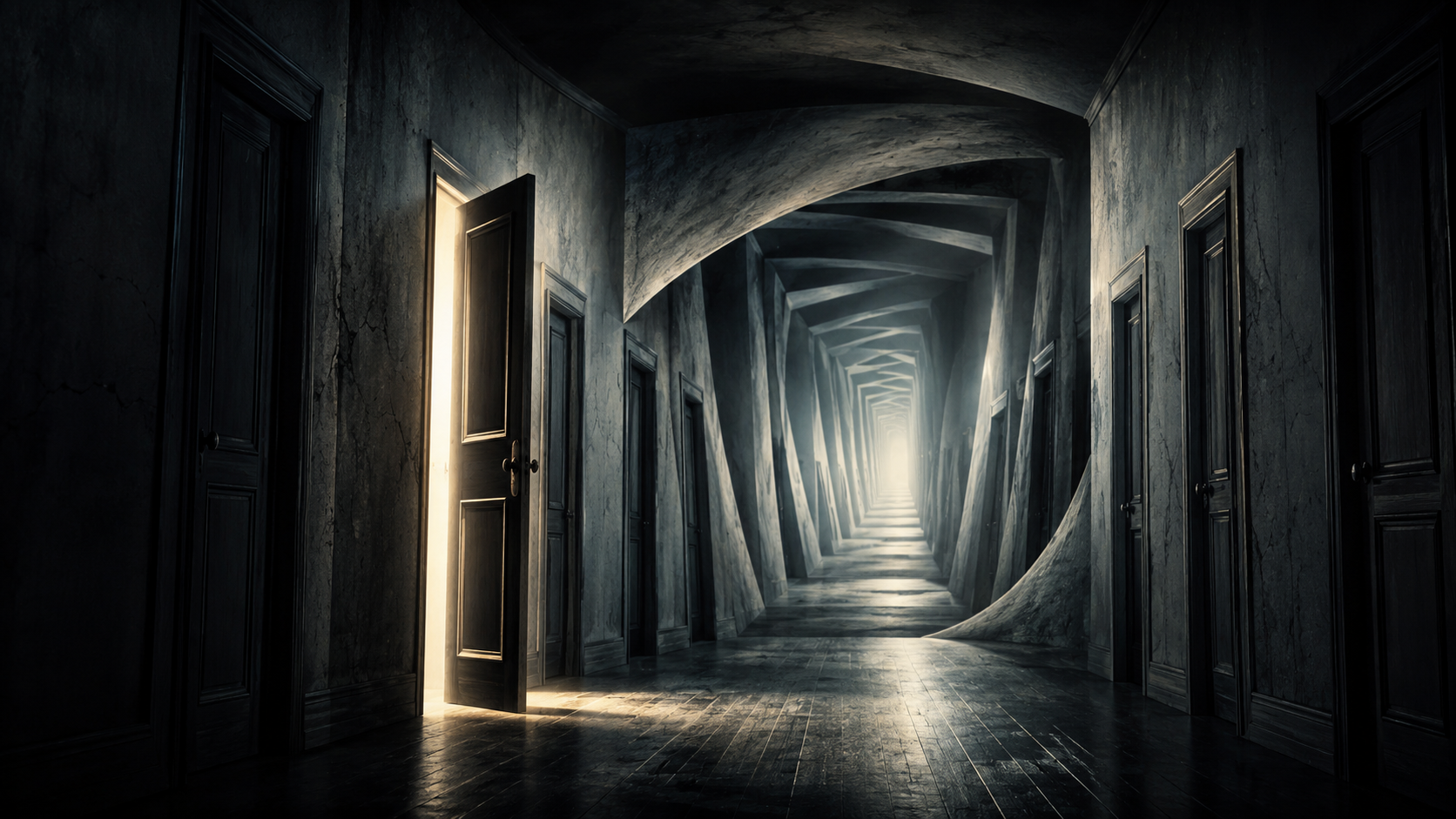
The best psychological thrillers with twists do more than surprise. They manipulate perception, distort memory, challenge reality, and force readers to rethink everything they believed just a few pages earlier.
If you’re searching for psychological thrillers that will genuinely mess with your assumptions, these seventeen novels belong on your reading list.
Psychological Thrillers With Twists
The strongest psychological thrillers create uncertainty.
Readers begin asking questions:
Can I trust this narrator?
Is this memory accurate?
Is reality itself being manipulated?
Those questions create tension far more powerful than car chases or gunfights.
The novels below excel because they force readers to question what is real.
1. House of Leaves by Mark Z. Danielewski
Few novels challenge reality as aggressively as House of Leaves.
The deeper readers travel into its labyrinth of stories, footnotes, and impossible spaces, the more unstable everything becomes.
If House of Leaves left you wanting more reality-bending fiction, see:
2. Dark Matter by Blake Crouch
A thriller built around identity, alternate realities, and impossible choices.
Dark Matter asks a terrifying question:
What if another version of yourself made different decisions?
Readers who enjoy psychological pressure combined with scientific concepts often consider this one of the defining thrillers of the last decade.
Continue with:
3. Recursion by Blake Crouch
Memory becomes a weapon.
Reality becomes negotiable.
Like Dark Matter, Recursion combines psychological suspense with reality distortion, producing twists that force readers to reconsider everything they know.
See also:
4. Moscow X by David McCloskey
Not all twists come from unreliable narrators.
Some come from intelligence operations, deception, and hidden agendas.
Moscow X creates uncertainty through espionage, competing narratives, and geopolitical manipulation.
For readers who enjoy conspiracies and psychological pressure:
5. Damascus Station by David McCloskey
Espionage thrillers rarely receive enough credit for their psychological depth.
Damascus Station demonstrates how secrecy, betrayal, and divided loyalties can create twists every bit as powerful as traditional psychological thrillers.
See:
6. Foundation by Isaac Asimov
Foundation isn’t traditionally classified as a psychological thriller.
Yet the series repeatedly forces readers to question power, prediction, social control, and human behavior.
Readers who enjoy large-scale manipulation and hidden systems often find themselves fascinated by it.
Continue with:
7. Trust by Hernan Diaz
Reality changes depending on who tells the story.
Trust builds its suspense through competing narratives, unreliable perspectives, and the uncomfortable realization that truth is often controlled by those who possess wealth and influence.
For readers interested in power and perception:
8. House of Leaves and the Fear of Reality
Many psychological thrillers ask:
“What happened?”
House of Leaves asks:
“What is happening?”
That distinction is why it remains one of the most influential reality-bending novels ever written.
For additional recommendations:
9. The Chaos Agent by Mark Greaney
Technology-driven paranoia, hidden agendas, and escalating uncertainty make this a natural recommendation for thriller readers who enjoy modern fears and systemic instability.
Continue with:
10. Red Sky Mourning by Jack Carr
Psychological tension doesn’t always come from unreliable narrators.
Sometimes it comes from uncertainty, betrayal, and the inability to know who can be trusted.
See:
11. Silo by Hugh Howey
Reality is controlled.
Information is restricted.
The truth exists somewhere beyond official explanations.
Few modern novels create psychological tension as effectively as Silo.
Continue with:
12. Project Hail Mary by Andy Weir
A different type of psychological suspense.
The mystery unfolds through memory, discovery, and the gradual reconstruction of reality.
See:
Authors Like Andy Weir
13. The Corporate Thriller
Many readers searching for psychological twists eventually discover another category entirely:
Institutional thrillers.
These stories focus on systems, organizations, and hidden power structures.
For more:
14. The Surveillance Thriller
Technology has changed psychological suspense.
Today’s protagonists are watched, tracked, profiled, and manipulated.
Modern thriller fiction increasingly explores this reality.
15. The Reality-Bending Thriller
Readers who enjoy Dark Matter, House of Leaves, and Foundation often discover they are really searching for stories where reality itself becomes uncertain.
Those books continue to attract devoted audiences because they challenge assumptions about power and privilege rather than simply hiding clues.
16. The Identity Thriller
Who are you?
Can memory be trusted?
Can identity be manipulated?
These questions sit at the heart of many of the most successful psychological thrillers ever written.
17. The Institutional Failure Thriller
A growing category among thriller readers.
Instead of asking who committed the crime, these novels ask:
What happens when the systems meant to protect us become the source of danger?
This theme appears throughout many modern psychological thrillers and forms the foundation of much contemporary suspense fiction.
Where Should You Go Next?
If you loved reality-bending fiction:
If you enjoy espionage and deception:
If you enjoy systems, institutions, and hidden power:
If you enjoy visionary science fiction:
Frequently Asked Questions
What is the best psychological thriller with a shocking ending?
Readers frequently recommend novels such as Dark Matter, House of Leaves, and Moscow X because they fundamentally change how readers understand the story.
Which psychological thrillers make readers question reality?
House of Leaves, Dark Matter, Foundation, Silo, and Trust all challenge assumptions about reality, identity, memory, and control.
What should I read after Dark Matter?
Start with Recursion, then explore Books Like Dark Matter and Authors Like Blake Crouch.
What should I read after House of Leaves?
Readers often move toward reality-bending novels that explore perception, identity, and uncertainty. Books Like House of Leaves is a good place to begin.
Why are psychological thrillers so popular?
Because they transform readers into participants. Every clue matters. Every assumption is questionable. Every revelation changes the meaning of what came before.


0 comments
Write a comment