Tag: Power

Power rarely appears as force alone. It moves through institutions, financial systems, and the stories societies tell about themselves. The articles collected here examine how authority actually works beneath the surface—how wealth, influence, and narrative shape decisions long before they become visible. From financial systems to political structures to the private motivations of powerful individuals, these pieces explore the mechanics of power and the quiet ways it determines outcomes.

Authors Like

Authors Like Lawrence Osborne: The Danger Hidden Inside Taste, Power, and Control

Readers who seek out authors like Lawrence Osborne are drawn to a specific tension: worlds built on taste, status, and restraint that conceal something far more dangerous. These are not stories about chaos. They are stories about control—who has it, who believes they have it, and what they’re willing to justify to keep it. That is the terrain Mark Bertrand enters, where refinement is never neutral and every surface is working harder than it appears.

authors like Lawrence Osborne image of a man in reflection at a restaurant

Cultivated Worlds That Hide Something Rotten

Osborne’s fiction often unfolds in places that appear composed, even enviable—sunlit villas, expatriate enclaves, rooms filled with wine, art, and educated conversation. But the deeper you go, the more those environments begin to feel unstable. Taste becomes a disguise. Leisure becomes exposure.

Bertrand operates inside that same contradiction.

What appears refined is not safe.
What appears controlled is already slipping.

He understands, as Osborne does, that luxury does not remove danger—it refines it. It gives it better language, better manners, better camouflage.

Dialogue as Seduction and Weapon

In Osborne’s work, people rarely say exactly what they mean. Dialogue becomes a test. A lure. A quiet negotiation of power.

Bertrand sharpens this instinct even further.

Conversation is not filler between events—it is the event. Every exchange carries intention. Every line spoken is doing something beneath what is heard. The reader is not just following what is said, but decoding what is being positioned.

This creates a different kind of tension:

Not “what will happen next?”
But “what is really happening right now?”

Intelligent Characters Who Are Not in Control

Osborne’s characters are perceptive, cultured, self-aware—and still move toward decisions that expose their blind spots.

Mark Bertrand builds from that same foundation but tightens the screws.

His characters understand systems, narrative, identity. They believe they can manage outcomes.

They are wrong.

What emerges is not incompetence, but something more unsettling:
the limits of intelligence when it serves desire instead of truth.

Appetite Beneath Refinement

Osborne writes about appetite through restraint. The surface remains composed even as something underneath fractures.

Bertrand’s work moves in that same space, but colder.

Appetite is not chaotic. It is deliberate. It is justified. It is often disguised as taste, as authorship, as control.

Which makes it more dangerous.

Because the characters are not overwhelmed by desire.
They choose it, and then construct the narrative that allows them to live with that choice.

Authors like Lawrence Osborne and The System Beneath the Scene

Here is where Bertrand separates himself.

Osborne leaves you inside the atmosphere.

Bertrand reveals the structure.

Beneath conversation and relationship, there are systems of legitimacy, control, and narrative ownership shaping what can be said, believed, and denied.

You begin to see that the characters are not just making choices—
they are operating inside frameworks designed to protect those choices.

Where the Comparison Becomes Exact

This is where The Vintner & The Novelist makes the connection unmistakable.

The same cultivated environments.
The same intelligent negotiation of power.
The same quiet drift toward consequence.

But with a sharper pressure.

Bertrand does not let the moment pass. He holds it. Extends it. Forces the reader to sit inside the decision long enough to recognize what is actually being chosen.

The Inevitable Next Read

Readers who are drawn to Lawrence Osborne will recognize the current immediately.

But they will also feel the difference.

Where Osborne lingers, Bertrand tightens.
Where Osborne observes, Bertrand pressures.
Where Osborne reveals corrosion, Bertrand exposes the structure that sustains it.

And once that structure is visible, it does not disappear.
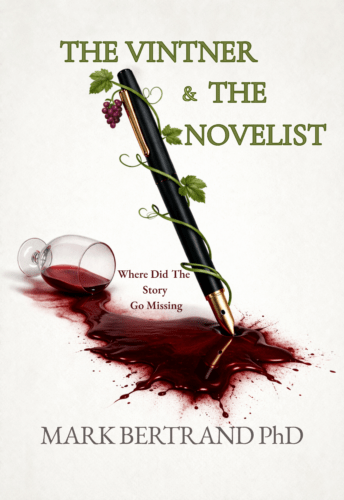
the vintner & the novelist book cover image

Readers of Authors like Lawrence Osborne also read these articles.

Authors Like William GibsonAuthors Like Michel HouellebecqAuthors Like Don Winslow

Book Finder AI tool from NARP

Books Like

Books Like The Three-Body Problem Where the Threat Isn’t Out There

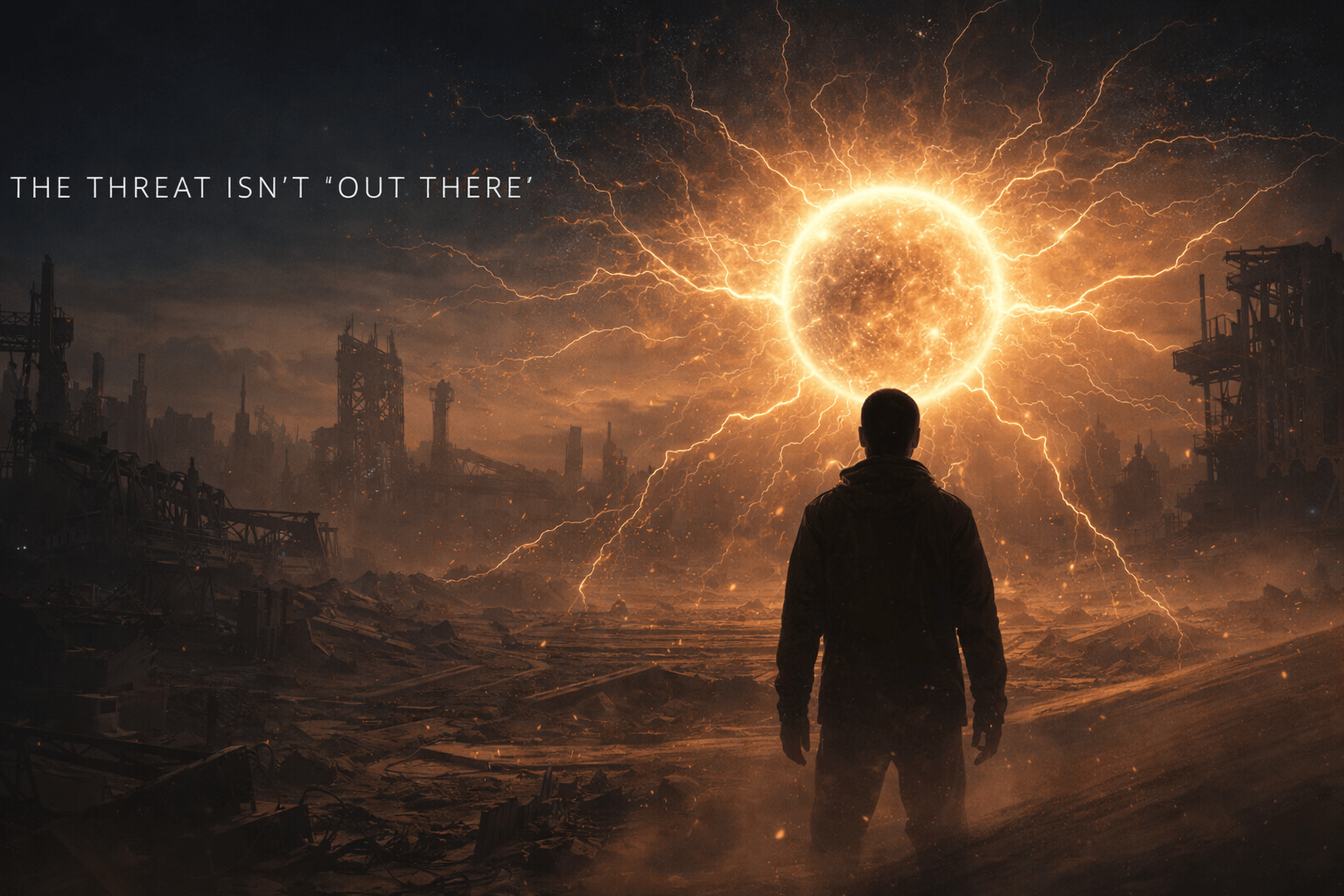
books like the three-body problem hero image of a lone figure stands in the foreground with his back to us, facing a devastated, industrial wasteland.

If you’re searching for books like The Three-Body Problem, you’re not looking for aliens.

You’re looking for pressure.

The kind that builds slowly.
Quietly.
Until it becomes unavoidable.

You felt it in:

• the countdown you couldn’t stop
• the science you couldn’t argue with
• the realization that humanity may not be in control of anything at all

The Three-Body Problem isn’t about first contact.

It’s about what happens when certainty collapses—and nothing replaces it.


Starzel meets that pressure and turns it inward

In The Three-Body Problem, the threat is external.

Distant.
Unstoppable.
Already in motion.

The fear comes from what’s coming.

In Starzel, the pressure doesn’t arrive.

It’s already here.

It operates through:

• perception
• identity
• the stability of the self

You’re not waiting for contact.

You’re trying to determine whether something has already begun rewriting what you are.


Where Three-Body gives you inevitability, Starzel removes distance

One of the most unsettling truths in The Three-Body Problem is this:

You can understand the system.
You can model it.
You can even predict what comes next.

And it still doesn’t matter.

It’s too large. Too precise. Too far ahead.

There’s distance between you and the outcome.

Starzel removes that distance.

There is no delay.
No buffer.
No time to prepare.

The system isn’t approaching.

You’re already inside it.


The shift: from cosmic indifference to internal instability

The Three-Body Problem forces you to confront a universe that does not care whether you exist.

That’s the terror.

Starzel takes the next step.

It asks:

What if the threat isn’t indifference?

What if it’s integration?

What if the system doesn’t destroy you—

it absorbs you, slowly, until resistance stops forming?


Why readers of Three-Body recognize it immediately

Because the real hook wasn’t the science.

It was the moment you understood:

Humanity is not the center.
Control is an illusion.
Understanding something does not mean you can survive it.

Starzel continues that line—

and removes the last place to stand.

No external enemy.
No clear event horizon.

Only a growing instability in what you trust to be real.


Read this if what stayed with you wasn’t the concept, but the dread

Read this if you want:

• tension that builds without release
• systems that cannot be negotiated with
• a narrative where knowledge increases uncertainty instead of reducing it

Read this if The Three-Body Problem left you with a question you couldn’t shake—

and you want to follow it further.


Final line

The Three-Body Problem shows you what’s coming.

Starzel asks a colder question:

What if it’s already begun?

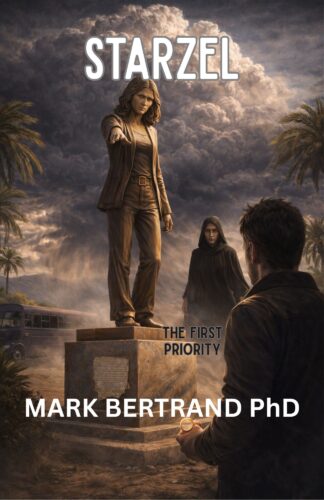
Starzel cover image

Starzel a psychological thriller

Readers also enjoy these article.

Books Like Clockers or In The WoodsBooks Like HumBooks Like Dune Where Power Moves Inside the Mind

Book Finder, AI tool to find your next best read.

Follow me on Bluesky

Books Like

Books Like Dune Where Power Moves Inside the Mind

If you’re searching for books like Dune, you’re not chasing sand and spice.

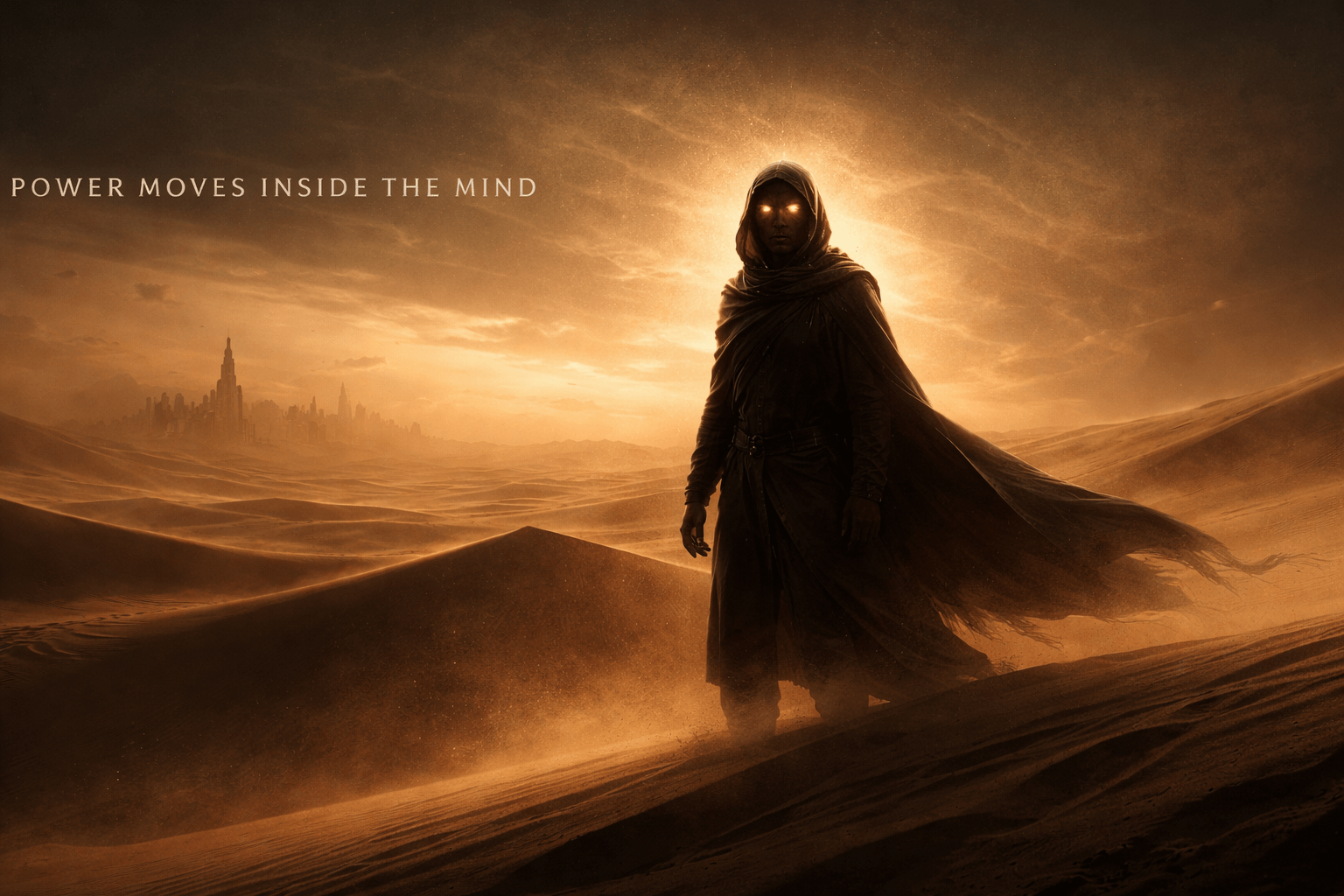
books like dune hero image with a sand walking being and city in the distance

You’re chasing systems of control.

Empires that don’t just rule territory
they shape belief, behavior, and destiny.

You felt it in:

• the slow manipulation of bloodlines
• the precision of the Bene Gesserit
• the way prophecy becomes a tool, not a truth

Dune isn’t really about Arrakis.

It’s about what happens when power becomes invisible enough to feel natural.


Starzel meets that instinct and removes the last layer of comfort

In Dune, control is vast and still identifiable.

You can point to it:

• Houses
• Religion
• Spice
• Strategy

In Starzel, control is harder to locate.

It no longer sits outside the individual.

It operates through:

• perception
• identity
• internal stability

You don’t resist it with armies.

You resist it. If you can by holding onto a self that may already be shifting.


Where Dune gives you a center, Starzel takes it away

One of the quiet assurances in Dune is this:

There is still a center of gravity.

A figure. A force. A point around which the system turns.

Even when power is overwhelming, it still feels navigable.

Starzel removes that.

There is no stable center.
No chosen trajectory.

Only a system that no longer needs to declare itself to function.


The evolution of control: from external dominance to internal design

Dune shows you how power shapes the world around you.

Starzel shows you how power reshapes the world inside you.

That shift changes everything:

• conflict becomes psychological before it becomes physical
• resistance becomes uncertain before it becomes impossible
• reality itself becomes unstable

You’re no longer asking who controls the system.

You’re asking whether the system has already defined you.


Why readers of Dune land here and stay

Because the real hook in Dune was never the setting.

It was the recognition that:

Power is patient.
Power is strategic.
Power works long before it’s seen.

Starzel continues that line of thought and pushes it further.

Past empire.
Past prophecy.
Into something colder.


Read this if what stayed with you wasn’t the story, but the implication

Read this if you want:

• systems that don’t announce themselves
• control that operates without spectacle
• a narrative where certainty erodes instead of builds

Read this if Dune made you think
and you suspected the real story wasn’t finished.


Final line

Dune reveals how power takes hold.

Starzel asks a harder question:

What if it already has?

Starzel book cover image of a statue the woman in black mysterious and haunting

STARZEL A Psychological Thriller

Readers Also Enjoy These Archive Articles

Books Like The Three-Body Problem Where the Threat Isn’t Out ThereBooks Like Clockers or In The WoodsBooks Like Hum

IMD Operations

Follow Mark Bertrand on Bluesky