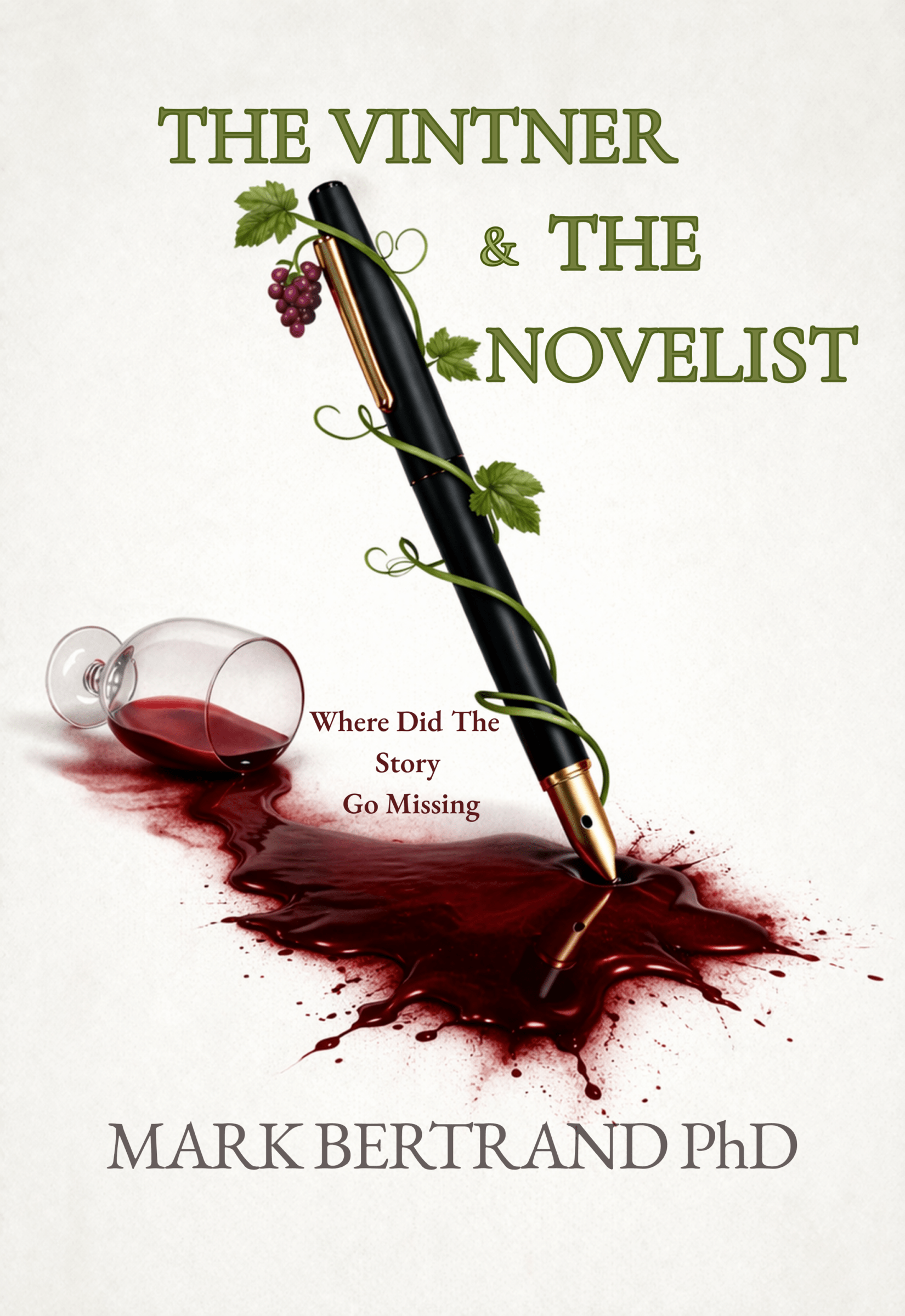
Tag: Psychological Thriller

Psychological thrillers are often associated with unreliable narrators, secrets, and twists of perception. The works gathered here move beyond those familiar devices to explore the deeper pressures shaping human behavior—fear, ambition, loyalty, and the quiet calculations people make under strain. These stories examine how individuals navigate moral tension and psychological conflict when the systems around them begin to close in, revealing how the most dangerous turning points often occur long before anyone recognizes them as such.

Books Like

Books Like Red Clocks When the State Enters the Body

Readers who love books like Red Clocks were not looking for spectacle. They were looking for pressure—the kind that builds slowly, politically, and inside the body—until the question is no longer what the system does, but what it makes a woman become.
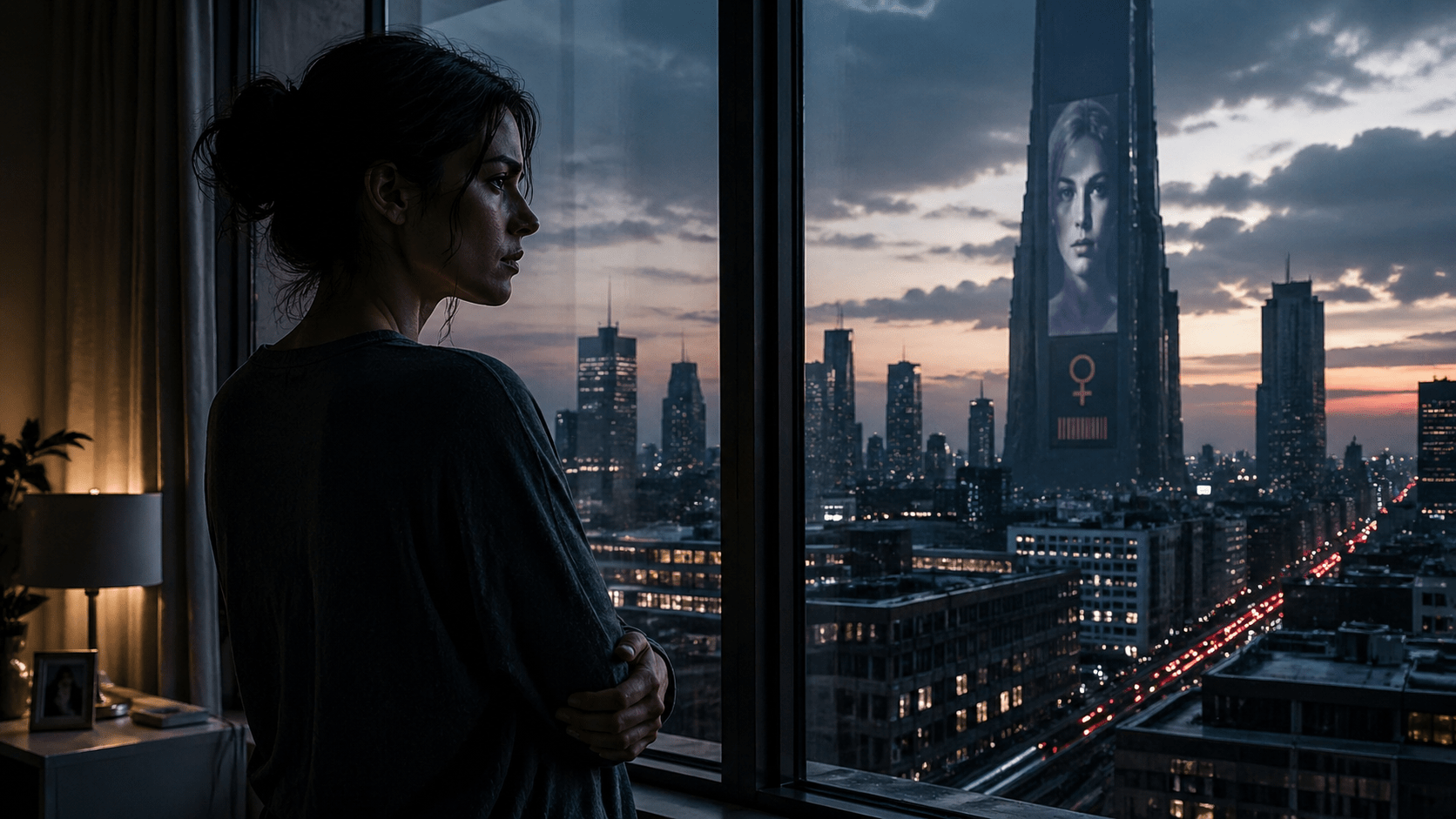
books like red clocks image of a woman looking out of a window across the city scape of toronto

Readers who loved Red Clocks were not chasing explosions or collapse. They were drawn to something colder. A near-future where laws reshape private life, where ideology walks into the most intimate spaces, and where women must navigate not just restriction, but identity under pressure.

That is where Reckoning meets them.

Not at the level of surface dystopia, but at the level of intrusion. In Reckoning, the system does not simply regulate behavior. It presses into relationships, into ambition, into pregnancy, into the fragile space where a person tries to decide what her life is allowed to mean. Lydia Daniels is already breaking under the weight of marriage, business collapse, and impending motherhood, while Laura Benton stands on the opposite axis—controlled, strategic, and locked in ideological war against a future that threatens to redefine the human itself.

Why readers love Books Like Red Clocks

What gives books like Red Clocks its power is restraint.

The novel imagines a near-future America where abortion is illegal and new laws restrict the autonomy of women in increasingly invasive ways. But it does not rely on spectacle. It works through multiple women, each facing a different form of constraint, and builds a quiet, accumulating dread.

Readers responded to that control. The sense that nothing dramatic needs to happen for a life to be narrowed, redirected, or erased. The law becomes the atmosphere. The pressure becomes normal.

That is the experience readers are looking for when they search for books like Red Clocks.

Where Reckoning hits the same nerve

Reckoning delivers that same pressure, but with sharper psychological edges and more visible ideological conflict.

Lydia’s pregnancy is not a symbol. It is a pressure point. It sits inside a failing marriage, a collapsing professional identity, and a mind that cannot stabilize itself. Every decision she makes is colored by that reality. Every interaction is charged.

Laura Benton carries the other side of the argument. Where Lydia is collapsing inward, Laura is pushing outward. She sees the coming transhuman future not as liberation but as control disguised as progress. Her resistance is political, but also deeply personal. She has already lost something to that future. She refuses to lose the rest.

This is where Reckoning aligns with books like Red Clocks. Both novels understand that control is not only enforced. It is lived. It changes how a woman thinks, feels, chooses, and survives.

Strong female characters under pressure, not above it

One of the defining strengths of Red Clocks is that its women are not heroic in a conventional sense. They are constrained, uncertain, compromised, and forced into decisions that reveal the cost of the system rather than defeat it.

Reckoning operates in that same space, but with more volatility.

Lydia is not composed. She is reactive, unstable, and painfully aware of her own unraveling. Her strength is not clean. It is contested moment by moment. She lashes out, withdraws, questions herself, and keeps moving anyway.

Laura is strength in a different form. Controlled, ideological, and sharpened by loss. She does not drift through the system. She studies it. Plans against it. Prepares for confrontation.

Readers who connected with Red Clocks will recognize this immediately. These are not symbolic women. These are women inside pressure.

Theme: control of the body, control of the future

The obvious connection between these novels is political control over women’s lives. But the deeper connection is about authorship.

Who gets to decide what a life is for?

In Red Clocks, that question is framed through reproductive law, social expectation, and the quiet violence of limitation.

In Reckoning, the question expands. It is no longer only about the body. It is about the future of the human itself. Victor Lang’s transhuman vision offers enhancement, efficiency, and evolution—but at the cost of the very imperfections that make human life meaningful. Laura Benton’s resistance is therefore not only political. It is philosophical. She is fighting for the right to remain human.

That escalation is what makes Reckoning the natural next read. It takes the same core fear—control of women’s lives—and pushes it into the next stage: control of what a human being is allowed to become.

Plot movement: quiet pressure versus converging force

Red Clocks moves through accumulation. Small pressures. Quiet decisions. Parallel lives tightening under the same system.

Reckoning builds through convergence.

Lydia’s internal collapse.
Laura’s ideological resistance.
Victor Lang’s expanding influence.
A media environment shaping public truth in real time.

These forces do not sit side by side. They move toward each other. The result is a different kind of tension. Less quiet, more volatile. But rooted in the same foundation: systems pressing inward until something gives.

Why Reckoning is the next best read after Red Clocks

If you love books like Red Clocks because it showed how the state can enter the most private parts of life and reshape them without spectacle, Reckoning gives you that same intrusion.

But it does not stop there.

It is more volatile.
More confrontational.
More willing to push the argument beyond control into transformation.

It asks a harder question.

Not just who controls women’s lives?
But what happens when power decides to redesign the human being entirely—and calls it progress?

That is where Reckoning becomes the next read.

It takes the quiet dread of Red Clocks and sharpens it into a psychological and ideological thriller where the body, the mind, and the future are all under negotiation—and none of it is safe.
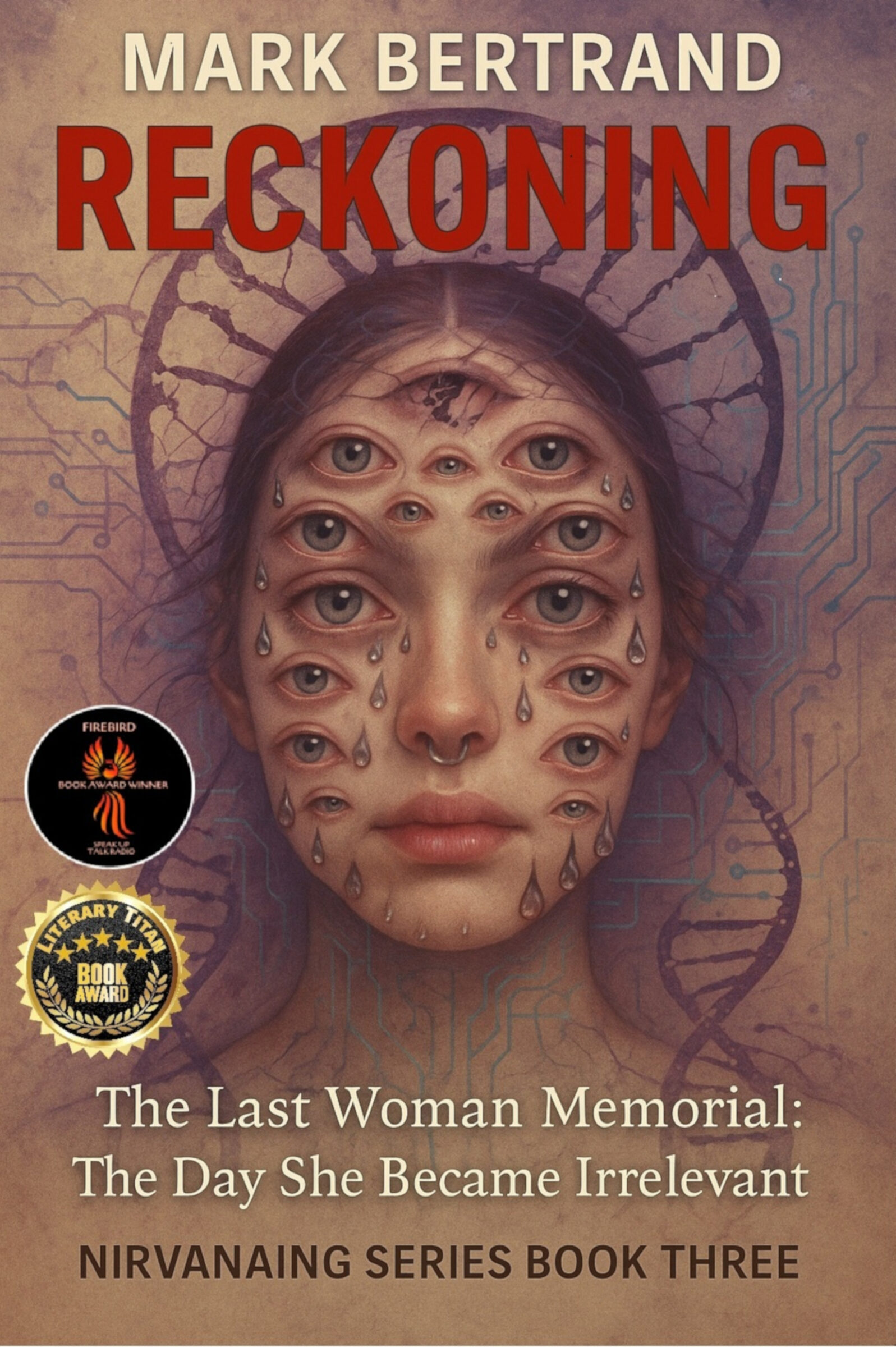
reckoning cover image of a woman with many eyes filled in tears

Discover more about Reckoning and buy the novel.

Readers who read books like Red Clocks also enjoy these articles.
Books Like Billy Summers or Harlem ShuffleBooks Like The Three-Body Problem Where the Threat Isn’t Out ThereBooks Like Red Sky Mourning: What Violence Costs, Where Systems Fail

Mark Bertrand

Dossier

Why the Vineyard Is the Real Clock in The Vintner & The Novelist

The true pressure does not come only from The Readers or the manuscript. Why the Vineyard Is the Real Clock in The Vintner & The Novelist. It comes from the land, because the vineyard turns time into consequence.

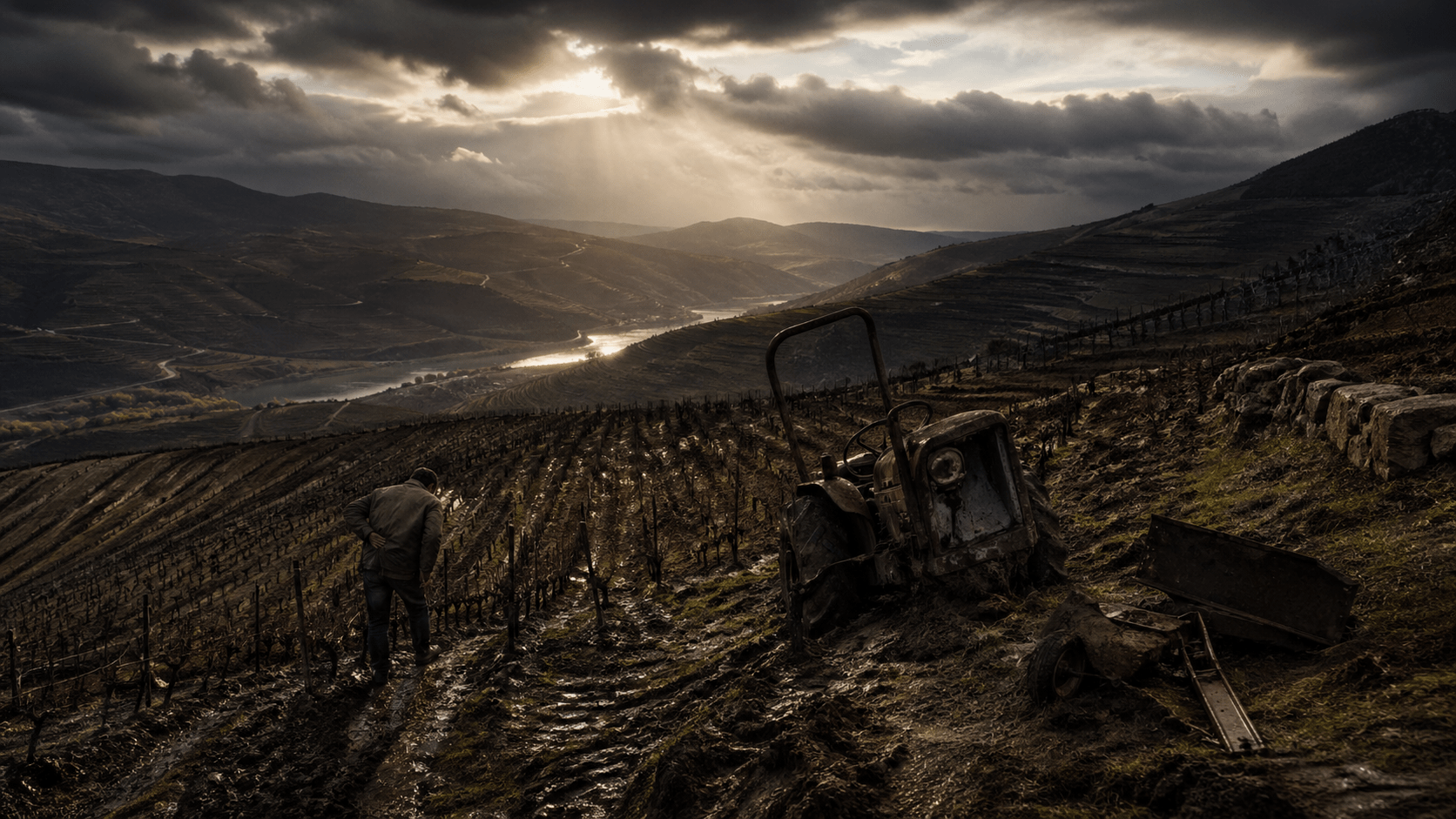
Why the Vineyard Is the Real Clock in The Vintner & The Novelist image of a steep hiiside vinyard and a stormy sky

One of the deepest things The Vintner & The Novelist understands is that time is not abstract. It is not motivational. It is not philosophical wallpaper. In this novel, time becomes material through the vineyard. That is why the vineyard is not backdrop and not local color. It is the book’s real clock.

The manuscript may be judged. The body may fail. The court may threaten erasure. But the vineyard measures everything in a harder way. It measures through weather, slope, mud, repairs, planting windows, tax notices, money already spent, and work that cannot be postponed forever just because a man is in pain. The land does not care what the novelist meant. It only cares whether he can keep up with what must be done.

The vineyard turns time into pressure

The opening chapters establish this immediately. The vintner is not standing in symbolic nature. He is inside a system of season, risk, and delay. The winter storm, the mud, the damaged tractor, the broken hitch, the scattered young vines, the slope he can no longer physically master the way he once could, all of it makes one point with brutal clarity: time is already costing him.

The novel sharpens that pressure by giving the vineyard no romance. These are not dreamy Mediterranean rows offered to the reader as escape. They are ninety acres of exposure, maintenance, and consequence. The vines are “newly trimmed, newly wounded.” The trailer is down the slope. The machine is damaged. The body is damaged. The work still waits. That is the real clock in the novel. Not a ticking timer on a wall, but a field that keeps charging rent whether the man can stand upright or not.

The land does not pause for pain

That is what makes the vineyard so important. It is where the book strips away the fantasy that suffering earns delay.

His back is lit with pain. His leg is unreliable. His head strikes steel. He crawls. He slips. He hauls himself back to the tractor. None of that changes the demands waiting for him. The young vines still need saving. The broken machinery still needs repair. The next step still costs money. The work still exists after the injury.

This is why the vineyard functions as the novel’s deepest realism. In many novels, pain becomes interiority. Here, pain becomes scheduling conflict. The body is not only hurt. It is late. That is a much crueler truth. It means injury does not merely wound the man. It threatens the whole structure of survival built around him.

The vineyard is where the dream becomes math

The book is very smart about this. Spain is not just a location. The vineyard is not just a retirement dream. The couple sold everything, moved early, and bought into a life that was supposed to return time to them. Instead, the land converts that dream into arithmetic. Repairs. Delays. seasons. Tax. Margin. The years the new vines need before they can fully give back what has been invested in them.

That is the quiet brutality in the novel’s design. The vineyard is the place where hope is forced to survive accounting.

They did not come for leisure. They came for a life that might still be their own. But the novel refuses to sentimentalize that choice. The vineyard takes the dream and submits it to weather and debt. It asks the only question land ever asks: can you carry the time required for this to work?

Purchase The Vintner & The Novelist
eBook just $4.99
Paperback for $24.99

Members Only: why the vinyard is the real clock


Procedure lives in the vineyard too

This is one of the hidden structural links between the vineyard and

This content is for members only.

Not yet a member? Request access to The Dossier.

the vintner & the novelist book cover image

Purchase The Vintner & The Novelist
eBook just $4.99
Paperback for $24.99

Discover more in Mark Bertrand presents The Readers Court

Authors Like

Authors Like Patricia Highsmith: When the Mind Justifies What It Knows Is Wrong

Readers who seek out authors like Patricia Highsmith are not looking for heroes. They are drawn to something far more unsettling—stories where the mind becomes the accomplice, where intelligence does not prevent wrongdoing but makes it possible, even defensible. These are narratives built on rationalization, on the quiet shift from doubt to permission. That is the terrain Mark Bertrand enters, where the most dangerous moment is not the act itself—but the decision that makes it acceptable.

image for authors like Patricia Highsmith woman seated at a typewriter, gazing out a window.

The Crime Before the Crime

Highsmith understood something most thrillers avoid:
the real story begins long before anything happens.

It begins in thought.
In justification.
In the subtle rearranging of what is allowed.

Mark Bertrand works in that same space.

The tension is not built on surprise, but on recognition. The reader sees the shift forming—watches a character move from hesitation to reasoning, from reasoning to permission. And once that line is crossed, the outcome feels less like an event and more like an inevitability.

Intelligence as a Liability

Patricia Highsmith’s characters are rarely foolish. They are observant, self-aware, often disturbingly perceptive.

And that is exactly the problem.

They use that intelligence to explain away what should stop them.

Mark Bertrand sharpens this further.

His characters do not stumble into bad decisions. They construct them. They build clean, articulate frameworks that allow them to proceed while still believing themselves intact. The more intelligent they are, the more convincing the argument becomes.

Which creates a colder tension:

Not “will they get away with it?”
But “how far can they take this before they no longer recognize themselves?”

Identification Without Comfort

Highsmith does something rare—she aligns the reader with characters they should resist.

Not through sympathy, but through proximity.

You see what they see.
You understand the reasoning.
You feel the pull.

Bertrand operates with the same precision.

You are not told to agree.
You are placed in a position where you could agree.

And that possibility is where the discomfort lives.

Control Is Always an Illusion with authors like Patricia Highsmith

In Highsmith’s work, control is fragile. Characters believe they can manage consequences, contain outcomes, regulate exposure.

They cannot.

Bertrand leans into that same illusion—but frames it with more intention.

Control is not lost by accident.
It is surrendered in increments.

A decision here.
A justification there.

Each one reasonable in isolation.
Each one moving the character further from a point they can return to.

The System That Protects the Decision

This is where Bertrand diverges.

Highsmith isolates the individual—the private mind, the personal descent, the quiet moral collapse.

Bertrand places that same collapse inside a larger structure.

The decision is not just personal.
It is supported.

By narrative.
By status.
By systems that allow certain people to cross lines and remain protected.

The result is more than psychological tension.

It becomes recognition—that the mind does not operate alone. It operates within frameworks that absorb, justify, and sustain what it chooses.

Where the Comparison Becomes Exact

This is where Mark Bertrand’s The Vintner & The Novelist locks into the same lineage.

The same interior pressure.
The same rational mind constructing its own permission.
The same quiet movement toward something that cannot be undone.

But with an added layer:

Bertrand does not just show the mind at work.
He shows what allows that mind to succeed.

And once that is visible, the tension changes.

It is no longer about a single character.
It is about the conditions that make that character possible.

The Inevitable Next Read

Readers drawn to authors like Patricia Highsmith will recognize the precision immediately—the focus on thought, on justification, on the moment a line is crossed internally before it is crossed in the world.

But they will also feel the difference.

Where Highsmith isolates, Bertrand connects.
Where Highsmith observes, Bertrand pressures.
Where Highsmith reveals the mind, Bertrand reveals what stands behind it.

And once you see that, the question changes.

Not whether a character is capable.

But what made it possible in the first place?

the vintner & the novelist book cover image

Popular articles for those who read authors like Patricia Highsmith also read.

Authors Like Jeff VanderMeer: When the Unknown Is Not Meant to Be UnderstoodAuthors Like Tobias WolffAuthors Like James Ellroy